Chromium 6 and PFAS in Sacramento-Area Water
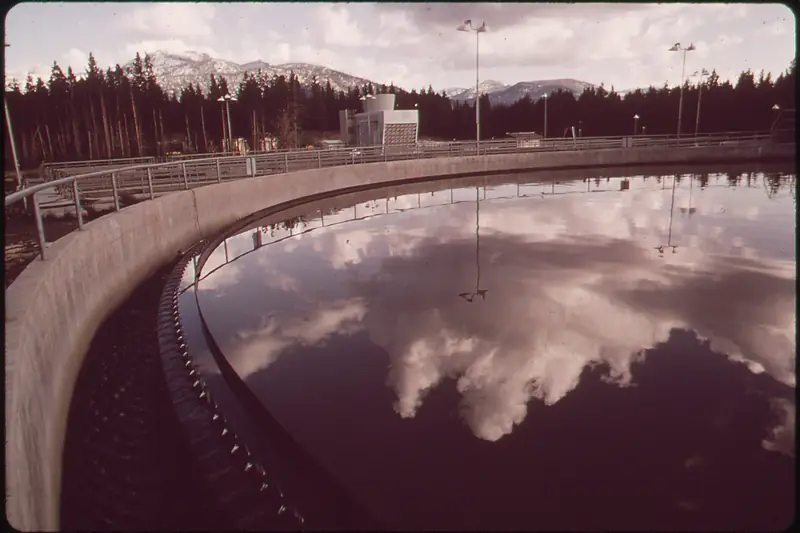
Chromium 6 and PFAS in Sacramento-area water show up mainly in wells: Rio Linda/Elverta averages 10.6 µg/L hexavalent chromium against California's 10 µg/L limit, and SCWA set four PFAS-affected wells to emergency use only.
Checked against its sources by Levee Line · how figures are sourced · Last checked
Ownership note: Levee Line shares its owners with SoftPro Water Systems and Quality Water Treatment, the two stores this page links to. Figures on this page come from Sacramento-area suppliers' own 2025 water quality reports, California and federal rules and certifiers' listings, read in October 2026. Anything a store says about its own product is reported as the store's claim. How store links work here
Readings first
- California's hexavalent chromium limit is 10 µg/L, in effect since October 1, 2024, with compliance dates from 2026 to 2028 by system size (State Water Board).
- Rio Linda/Elverta's wells average 10.6 µg/L (4.2–18); by its own account it has until October 2027 and has well treatment in design.
- The City of Sacramento's system average is 3.5 µg/L, with wells from non-detect to 7.0 µg/L.
- EPA's 2024 limits for PFOA and PFOS are 4.0 ppt each; in May 2026 EPA proposed extending their compliance date to 2031 and rescinding the limits for PFHxS, PFNA and GenX and the mixture hazard index.
- Sacramento County Water Agency made four Laguna-area wells with PFAS above state levels emergency-use only; they did not serve the system in 2025.
- San Juan Water District and its wholesale customers, Carmichael and Golden State Water's Cordova system reported no PFAS detected.
What is California's chromium 6 limit?
10 µg/L (0.010 mg/L), the maximum contaminant level the State Water Board adopted, effective October 1, 2024. The public health goal is far lower, 0.02 µg/L, and the separate total chromium limit stays at 50 µg/L. Reports print chromium 6 in ppb, which equals µg/L; PFAS appear in ppt (ng/L).
Systems get time to comply based on size. The State Water Board's chromium 6 FAQ sets October 1, 2026 for systems with more than 10,000 connections, October 1, 2027 for 1,000 to 10,000, and October 1, 2028 for fewer than 1,000. The first deadline has now passed, so large suppliers should be in compliance or working under a compliance plan.
Which Sacramento-area suppliers report chromium 6?
Mostly well-based ones, and only a few near or above the limit. Rio Linda/Elverta, which runs entirely on 12 wells, reports an average of 10.6 µg/L (4.2–18) in its 2026 report on 2025 water. The report says a system its size is not in violation until October 1, 2027, and that treatment at three well sites is in design and expected online before then.
Yolo County's two cities report source readings above 10 but frame them differently. Davis lists ND–19 µg/L at its sources and says three wells over the limit were permanently removed and one is monitored; its 2025 report stated it was not in violation until after October 1, 2026. Woodland's 2025 report averages 12.26 µg/L (0.75–31) and says wells with elevated levels were not pumped to distribution in 2025 and that well water is blended with river water.
Elsewhere the readings sit below the limit. Sacramento Suburban's north area reports a maximum of 10 and an average of 3.9 µg/L and "Violation: No", because compliance is judged on averages. Citrus Heights Water District logged a monitoring violation for testing late in 2025; its results were "well below" the limit.
What have suppliers found for PFAS?
Little in river and lake water, low parts-per-trillion traces in some wells, and four wells pulled from service in the Laguna area. Sacramento County Water Agency's Central/South 2025 report shows groundwater detections up to 31 ppt PFOA and 15 ppt PFOS; wells W42, W43, W47 and W52 exceeded state levels, were made "Emergency Use Only" and "did not contribute to the distribution system in 2025."
Sacramento Suburban reports low detections: PFOS up to 2.0 ppt and PFHxS up to 2.1 ppt in the north, PFOA up to 2.1 ppt in the south. Cal Am's Suburban-Rosemont report lists PFOS up to 11 ppt and PFHxS up to 12 ppt as ranges across its wells. El Dorado Irrigation District found one compound, PFPeA, at no more than 3 ppt.
The San Juan agencies, Carmichael, Golden State Water's Cordova system and SCWA's north area report none detected. The City of Sacramento prints no PFAS figures; its PFAS page says it has monitored source water since 2019 and that sources exceeding regulatory levels are taken out of service.
Chromium 6 and PFAS figures
- 10 µg/LCalifornia hexavalent chromium limit, effective Oct 1, 2024State Water Board
- 10.6 µg/LRio Linda/Elverta chromium 6 average, 2025RLECWD 2026 CCR
- 4.0 pptEPA limit for PFOA and for PFOS (2024 rule)U.S. EPA
- 4 wellsSCWA Laguna-area wells set to emergency use only for PFASSacramento County Water Agency
What are the PFAS limits now?
EPA's April 2024 rule set 4.0 ppt each for PFOA and PFOS and 10 ppt for PFHxS, PFNA and GenX, with compliance in 2029. On May 18, 2026 EPA proposed keeping the PFOA and PFOS limits but allowing systems to request two more years, to 2031, and rescinding the PFHxS, PFNA and GenX limits along with the mixture hazard index. Those are proposals, not final rules.
California has no PFAS limit of its own yet, but it uses notification and response levels. Per the State Water Board's PFAS page, they are PFOA 4 and 10 ppt, PFOS 4 and 40, PFHxS 3 and 10, and PFBS 500 and 5,000. A system under a monitoring order that exceeds a response level must take the source out of use, treat it or notify the public, which is the step SCWA took with its four wells.
Which home filters are certified for chromium 6 or PFAS?
Under-sink reverse osmosis units with the right listing, at one drinking tap, not the whole house. EPA's two-page note on PFAS home filters says to look for certification to NSF/ANSI 53 or 58 for PFAS reduction and to check the certifier's directory; it also notes that certifications as of April 2024 "do not yet indicate" removal down to EPA's new limits.
Two units sold through the stores linked from this site have relevant listings, both from IAPMO R&T. Quality Water Treatment's Waterdrop G3-W (sold by Quality Water Treatment, which shares Levee Line's owners) ($459) is certified to NSF/ANSI 58 for hexavalent chromium, along with TDS, fluoride, cadmium and selenium; it is not certified for lead. SoftPro's Waterdrop G3P600 (sold by SoftPro Water Systems, which shares Levee Line's owners) ($429) carries NSF/ANSI 53 for PFOA and PFOS through its carbon stage (file WC-14805), a stage the G3-W shares; its NSF/ANSI 58 listing covers lead but not hexavalent chromium. Neither is certified for other PFAS by name, for arsenic or for nitrate. Both prices are as listed by the stores in October 2026.
Whole-house carbon filters, softeners and UV units hold no chromium 6 or PFAS listing, whatever a product page says. Running costs and drain water are covered on reverse osmosis in Sacramento.
Should you filter while suppliers catch up?
It depends on your supplier's own numbers, not the headlines. EPA's PFAS filter note says that if PFAS "have not been measured" in your water, or are below federal limits, "a filter may not be useful to you." On San Juan, Folsom Lake or American River water, with PFAS not detected and chromium 6 near zero, a filter adds little for these two contaminants.
The case is stronger where a report shows readings near a limit before treatment is online: Rio Linda/Elverta's chromium 6 until its well treatment starts, or a private well with no supplier testing at all. Check which supplier serves your street on finding your water district, read the newest report, and for a well, test through a certified lab as described on private well testing in Sacramento County. Whatever you install, EPA stresses that filters only work if maintained on schedule.
Sounding notes
Readings are taken from 2025 annual reports issued by the City of Sacramento, Davis, Woodland, Sacramento Suburban Water District, Sacramento County Water Agency, the San Juan wholesale agencies, Carmichael, Golden State Water (Cordova), El Dorado Irrigation District and California American Water, and the Rio Linda/Elverta report published in 2026. Limits: State Water Board web pages on hexavalent chromium and on PFAS, plus EPA's PFAS rule page (updated May 2026). Filter guidance is EPA's April 2024 note on PFAS home filters; certifications are IAPMO R&T files WC-13976 and WC-14805. All were read in October 2026. Left out: Rio Linda/Elverta's PFAS table, whose printed units appear to be wrong, and any health claims from product listings.
Downstream questions
Is Rio Linda/Elverta water in violation for chromium 6?
Not by its own report: it says a system its size is not in violation until October 1, 2027, and that treatment at three well sites is in design to come online before then. Its 2025 average was 10.6 µg/L against the 10 µg/L limit.
Why is a 10 µg/L reading at Sacramento Suburban not a violation?
Compliance is judged on averages, and the north area's average was 3.9 µg/L. The 10 µg/L figure is the top of its range.
Does the City of Sacramento test for PFAS?
Its PFAS page says it has monitored source water since 2019 and takes sources over regulatory levels out of service. Its 2025 report prints no PFAS values.
Are EPA's PFAS limits being rolled back?
EPA proposed in May 2026 to rescind limits for PFHxS, PFNA, GenX and the mixture index, and to allow PFOA and PFOS compliance as late as 2031. Until final, the 2024 rule stands.
Does a whole-house carbon filter remove PFAS?
Only a certifier's listing can show that. EPA's filter note says to look for NSF/ANSI 53 or 58 PFAS claims; none of the whole-house carbon units sold by the stores linked here has one.
Does a water softener remove chromium 6?
A softener is a hardness device and holds no chromium 6 listing. For hexavalent chromium at a drinking tap, look for an NSF/ANSI 58 certificate that names it.
Further down the channel
Back upstream: Sacramento tap water, district by district